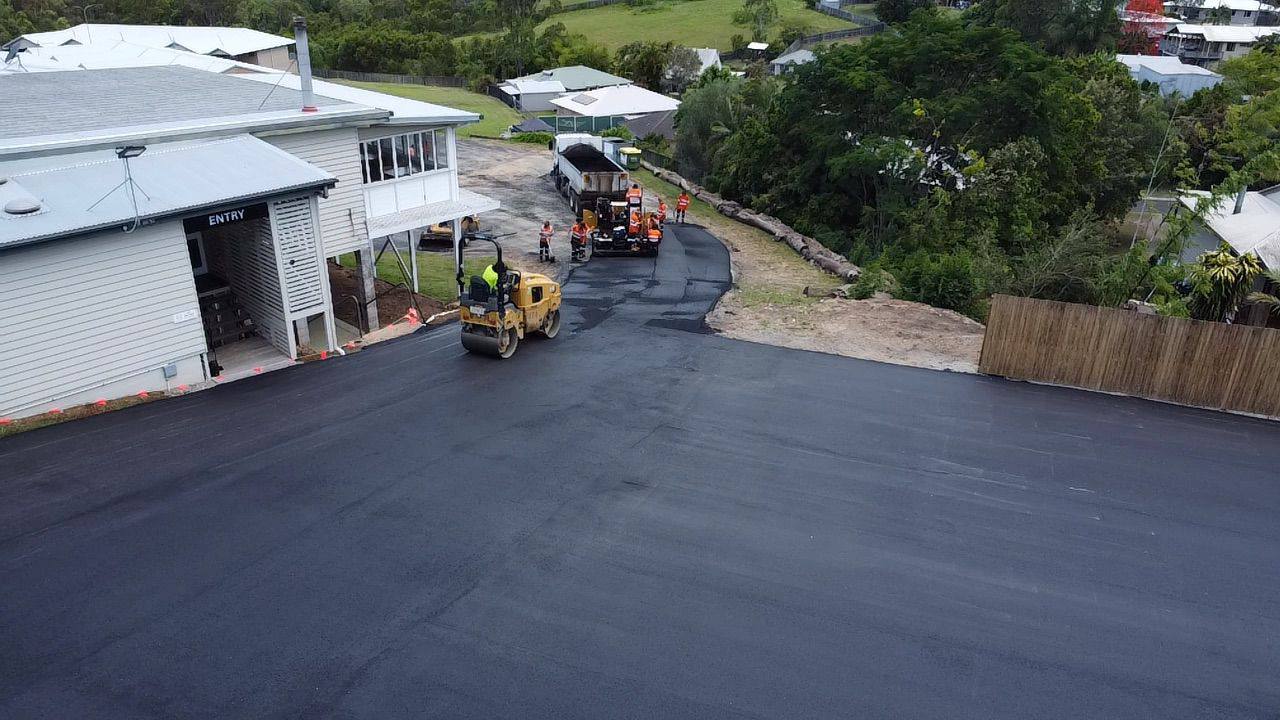
A well-constructed asphalt road provides a smooth, durable surface for regular vehicle use, but the quality of the finished road depends heavily on what happens before the asphalt is laid. From assessing the ground to planning drainage and selecting an appropriate pavement structure, careful preparation is essential.
For property owners, businesses and other developments in Maryborough, QLD, understanding the key stages of asphalt road construction can help ensure the project is properly planned from the beginning.
Assessing the Existing Ground
Before construction begins, the existing ground needs to be assessed. Soil conditions, the strength of the subgrade and any existing pavement can all influence how the road should be constructed.
Weak or unstable areas may require additional preparation before the road base is installed. Simply placing asphalt over unsuitable ground can lead to movement, cracking, rutting and other surface problems later.
A proper site assessment helps determine the appropriate construction approach for the particular location.
Planning the Road Structure
An asphalt road is made up of several layers, rather than being simply a layer of asphalt placed directly onto the ground.
The pavement structure commonly includes the prepared subgrade, a suitable road base and the asphalt surface. Each layer has a specific role in supporting traffic and distributing loads.
The required construction will depend on factors such as the expected vehicle movements, ground conditions and intended use of the road.
Getting Drainage Right
Water management is one of the most important considerations when constructing an asphalt road. If water is allowed to remain on the surface or enter the pavement structure, it can contribute to deterioration.
The road should be designed with appropriate falls to direct surface water towards suitable drainage points. Kerbs, drains, channels and other drainage features may also need to be considered depending on the site.
Good drainage planning should take place before the asphalt is installed rather than being treated as an afterthought.
Preparing the Road Base
The road base provides important structural support beneath the asphalt. It needs to be properly placed, graded and compacted to create a stable foundation.
Insufficient compaction or inconsistent preparation can result in weak areas that may eventually develop into depressions, cracking or other defects.
Careful preparation of the road base helps create a more uniform surface for the asphalt and supports the long-term performance of the pavement.
Choosing the Appropriate Asphalt
Not every asphalt mix is necessarily suitable for every road. The material needs to be appropriate for the expected traffic and conditions of the site.
A road intended for regular heavy vehicle movements may have different requirements from a lightly used private access road. The surface layer and overall pavement design should therefore be selected according to how the completed road will be used.
Considering these requirements before construction begins helps avoid problems caused by using an unsuitable pavement specification.
Managing Edges and Connections
The edges of an asphalt road require careful attention. Poorly supported edges can deteriorate more quickly, particularly where vehicles regularly travel close to them.
Connections to existing roads, driveways, drainage structures and other surfaces should also be planned carefully. A properly constructed transition can help reduce uneven areas and provide a smoother connection between different surfaces.
Why Professional Construction Matters
Asphalt road construction involves several stages that need to work together. A good-looking surface cannot compensate for poor ground preparation or inadequate drainage beneath it.
Professional surfacing contractors can assess the site, plan the pavement structure and coordinate preparation, compaction and asphalt installation. This approach helps ensure that each stage supports the next.
Quality control during construction is particularly important because defects within the underlying layers may not become visible until the road is already in use.
Asphalt Road Construction in Maryborough
Maryborough Surfacing Solutions provides professional asphalt surfacing and road construction services in Maryborough, QLD. Projects can be assessed according to the existing ground, drainage requirements, intended traffic and layout of the site.
Whether you are planning a new access road, private roadway or another asphalt surface, proper preparation and construction are essential to achieving a reliable result.
If you are considering asphalt road construction in Maryborough, contact Maryborough Surfacing Solutions to discuss your project and arrange an assessment of the proposed site.
Conclusion
Successful asphalt road construction starts well before the asphalt is laid. Ground conditions, pavement structure, drainage, road base preparation and the expected level of traffic all need to be considered as part of the planning process.
For projects in Maryborough, QLD, taking the time to prepare the site correctly can help create a smoother and more durable road surface. Maryborough Surfacing Solutions can assess your requirements and provide a suitable approach for your asphalt road construction project.
Call us on: 07 4158 7474
Click here to find out more about Maryborough Surfacing Solutions
Click here to complete our contact form and see how we can help with your driveways.