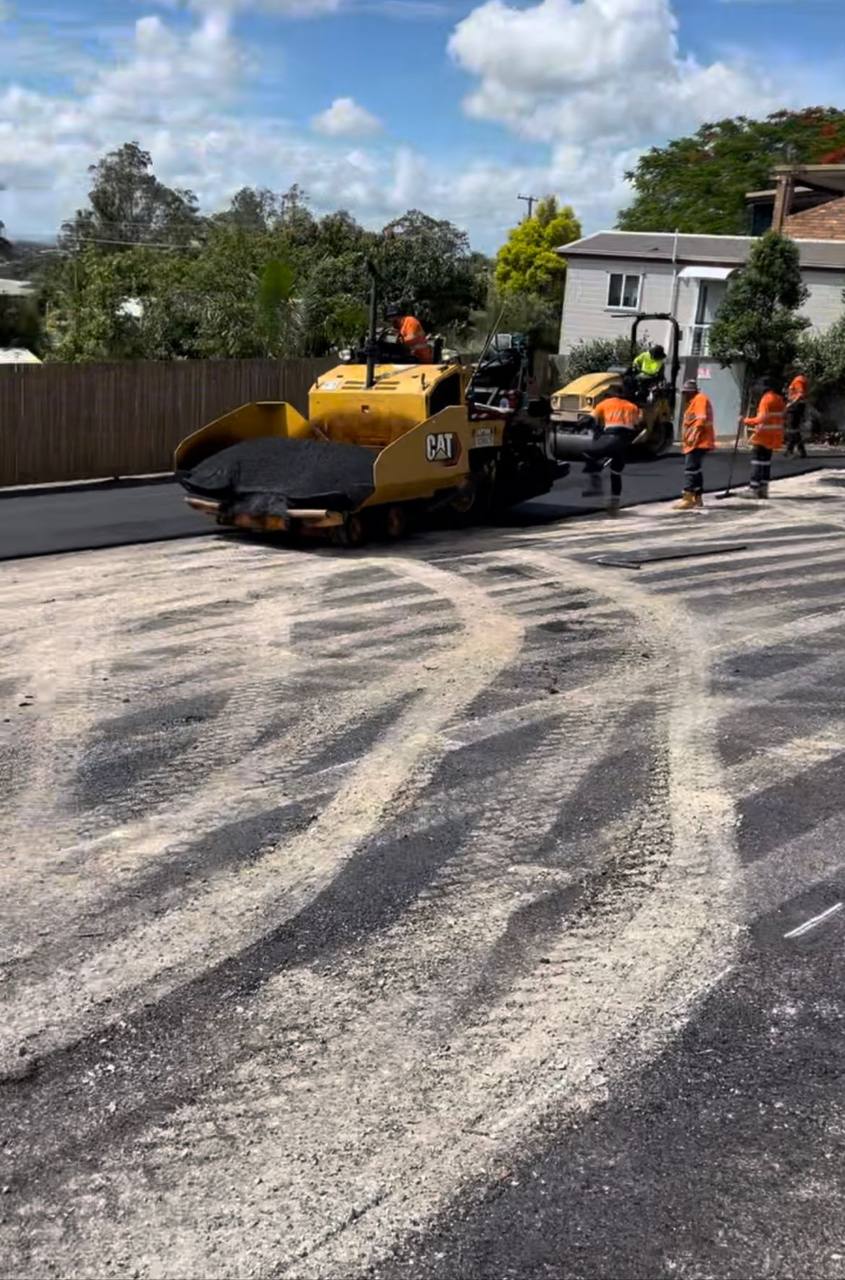
Potholes are an obvious sign that an asphalt or bitumen surface needs attention. When one appears on a driveway, road, car park or access area, the natural response is often to fill the damaged section as quickly as possible. While a straightforward repair can be entirely appropriate for an isolated pothole, repeatedly filling the same area without investigating why it failed may only provide a short-term improvement.
For property owners and businesses in Maryborough, QLD, understanding what causes potholes beneath the visible surface can help prevent recurring damage. A lasting solution starts with identifying whether the problem is confined to the surface or linked to drainage, pavement preparation, base deterioration or ongoing traffic stresses.
A Pothole Is Often a Symptom, Not the Whole Problem
Potholes form when pavement material breaks apart and is displaced. However, the visible hole is often the final stage of a deterioration process that began much earlier.
Cracks can allow moisture to enter the pavement. The supporting layers may then weaken, leaving the surface without adequate support. Repeated vehicle movements place further stress on the affected section until the asphalt or bitumen begins to break away.
If a repair only replaces the missing surface material, these underlying conditions may remain unchanged.
Why Does a Repaired Pothole Sometimes Return?
A properly completed pothole repair can perform well when the damage is genuinely localised and the surrounding pavement remains sound.
Problems arise when a quick repair is applied to pavement that has deeper weaknesses. The repaired section may initially appear satisfactory, but continued movement underneath can cause cracking or deterioration around the repair.
Recurring potholes may indicate issues such as:
- A weakened or saturated pavement base
- Poor drainage or persistent water pooling
- Inadequate compaction beneath the surface
- Movement within the underlying pavement
- Widespread cracking surrounding the repair
- Traffic demands exceeding the pavement’s capability
- Deterioration extending beyond the visible pothole
Determining which factor is responsible allows the repair method to address the actual problem.
Water Can Be the Hidden Cause
Water is particularly damaging when it reaches the supporting pavement layers.
A pothole may develop in an area where rainfall repeatedly collects because of incorrect grading or inadequate drainage. Water can enter through cracks and damaged edges, gradually reducing the stability of the materials below.
Filling the pothole without improving the way water moves across or away from the pavement leaves the same conditions in place.
Where potholes repeatedly develop around low sections of a surface in Maryborough, QLD, drainage and grading should form part of the assessment.
The Base May Need Attention
The visible asphalt or bitumen surface relies on the pavement base underneath for support.
If that base has deteriorated, placing new material over it does not necessarily restore the structural strength of the pavement. The unsupported area can continue to move under vehicle loads, eventually damaging the repaired surface.
Where base failure is identified, a more thorough repair may involve removing failed material to a suitable depth, reinstating and compacting the supporting layers, and then reconstructing the surface.
This addresses the pavement as a structure rather than treating only the visible hole.
Preparation Makes a Significant Difference
Even when a pothole is suitable for localised repair, preparation matters.
Loose and deteriorated material should not simply be left beneath new surfacing. The repair area needs to provide a stable foundation and suitable edges for the replacement material.
Good preparation helps the repaired section become an integrated part of the surrounding pavement instead of a temporary patch sitting within an already weakened area.
The condition of the pavement should determine the repair process rather than the objective simply being to cover the hole quickly.
Look at the Surrounding Surface
A pothole should rarely be assessed in isolation.
Cracks radiating from the damaged section, nearby depressions, rutting, loose edges or additional potholes can indicate that deterioration extends beyond the obvious defect.
If the surrounding pavement is generally stable, repairing the individual pothole may be sufficient. If damage is widespread, continually patching separate sections may fail to address the overall condition of the pavement.
A professional assessment can help determine where that distinction lies.
Traffic Patterns Can Contribute to Repeated Failure
The way vehicles use a surface also matters.
Areas where vehicles regularly brake, turn, manoeuvre or remain stationary can experience concentrated stresses. Heavy vehicles can place additional demands on pavement that was not originally constructed for that type of use.
If potholes repeatedly occur along the same wheel paths or operational areas, contractors should consider whether the pavement structure is suitable for current traffic demands.
In some circumstances, strengthening or rebuilding the affected area may provide a more appropriate solution than repeatedly repairing individual defects.
When Is Resurfacing More Appropriate?
Not every recurring pothole problem requires complete reconstruction. If the underlying pavement remains structurally sound but the surface has become extensively worn, resurfacing may be appropriate after necessary defects have been repaired.
A new asphalt or bitumen treatment can renew the wearing surface and provide additional protection to the pavement underneath.
However, resurfacing should not be used simply to conceal significant base failures. Structural weaknesses, drainage problems and unstable sections should be addressed first so they do not quickly affect the new surface.
When Might Reconstruction Be Necessary?
Where potholes are accompanied by extensive cracking, deep rutting, significant settlement or widespread pavement movement, the problem may extend too deeply for routine patching.
Reconstruction allows failed materials to be removed and the pavement structure rebuilt appropriately. It also creates an opportunity to correct grading, drainage and other conditions contributing to deterioration.
The aim is not to undertake more work than necessary. It is to match the repair method to the actual condition of the pavement.
Professional Assessment Helps Avoid Repeated Repairs
Experienced asphalt and bitumen contractors look beyond the immediate pothole. They assess the surrounding surface, drainage, pavement base, traffic patterns and signs of structural movement before recommending a solution.
This approach is particularly important when previous repairs have repeatedly failed.
For property owners in Maryborough, QLD, understanding why a pothole has developed can lead to a much more effective maintenance strategy and help protect the surrounding pavement from further deterioration.
Conclusion
Quick pothole repairs can be useful when damage is isolated and the pavement underneath remains stable. However, repeatedly filling potholes without investigating their cause may leave drainage problems, weakened base materials, poor grading or structural deterioration unresolved.
The most effective approach is to assess the complete pavement and determine whether the affected area needs localised repair, base correction, drainage improvements, resurfacing or more substantial reconstruction.
Maryborough Surfacing Solutions provides professional asphalt and bitumen resurfacing and pothole repair services in Maryborough, QLD. If potholes are repeatedly appearing on your road, driveway, car park or access area, contact our team to have the surface assessed and discuss an appropriate long-term solution.
Call us on: 07 4158 7474
Click here to find out more about Maryborough Surfacing Solutions
Click here to complete our contact form and see how we can help with your driveways.