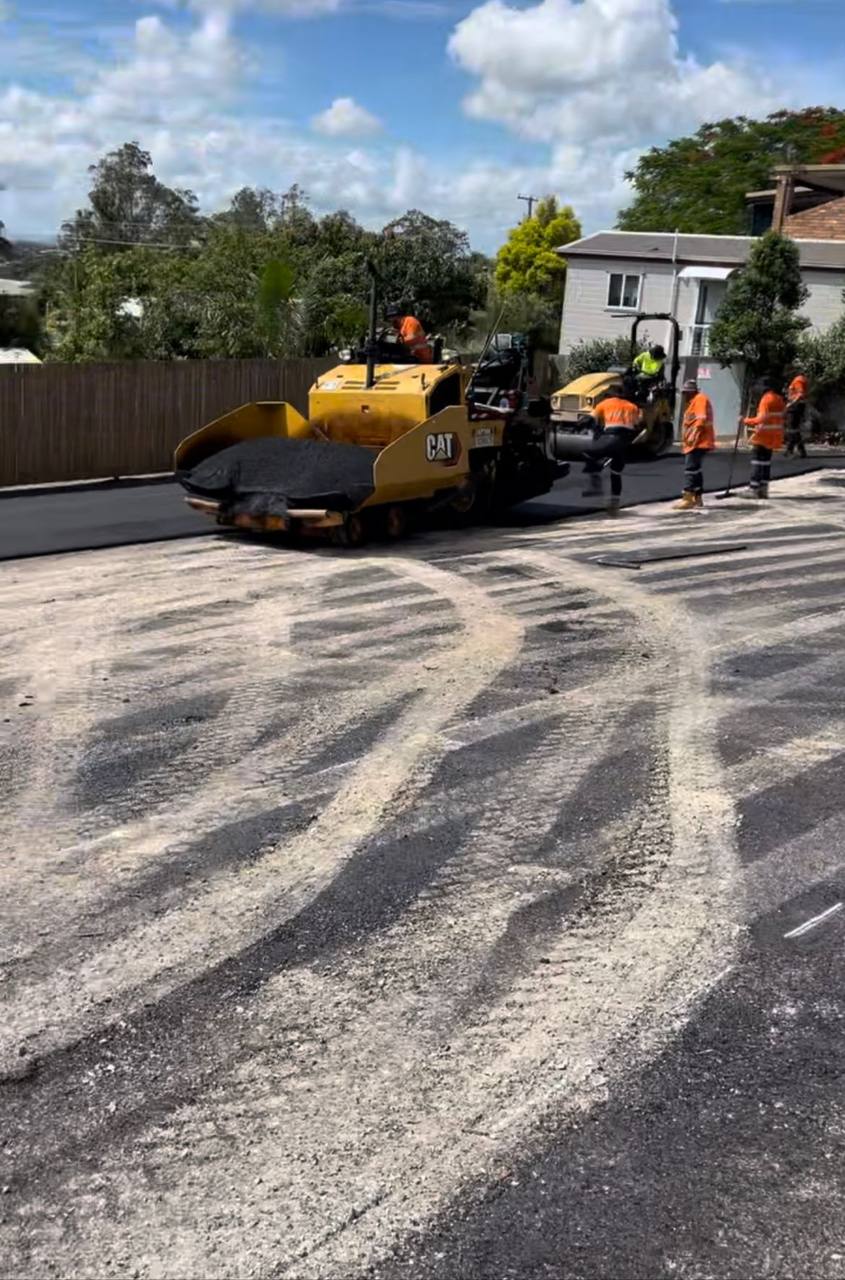
A driveway should do more than provide a place to park. It needs to support the way a household uses its vehicles every day, offering safe access, sufficient space and a durable surface that can withstand regular traffic. Without careful planning, even a newly installed driveway can become inconvenient if turning areas are restricted, parking spaces are too narrow or the surface is not suitable for the vehicles using it.
For homeowners in Maryborough, QLD, Australia, considering a new driveway or upgrading an existing one, understanding these practical requirements is an important first step. A well-planned driveway can improve access to the property, make daily parking easier and create a more organised entrance.
Assess How Your Household Uses Its Vehicles
Before choosing a driveway layout or surfacing material, consider how the space will be used throughout the week. The number and type of vehicles in the household will influence the dimensions, layout and construction requirements.
A driveway used by a single small car may have different requirements from one that regularly accommodates multiple vehicles, four-wheel drives, utes or delivery vehicles. It is also worth considering whether visitors need somewhere to park without blocking access to the garage or other vehicles.
Think about everyday movements, including:
- Entering and leaving the property during busy periods.
- Parking more than one vehicle at the same time.
- Opening vehicle doors without obstructing walls or garden borders.
- Reversing and turning safely within the available space.
- Maintaining access to garages, carports and storage areas.
Planning around these routines helps prevent a driveway from becoming restrictive once it is in regular use.
Allow Sufficient Space for Parking and Manoeuvring
One of the most important aspects of driveway planning is providing enough room for vehicles to move comfortably. A driveway may appear spacious when empty, but the available area can feel considerably smaller once vehicles are parked.
Consider the length and width of the vehicles that will regularly use the driveway. Allow enough clearance for doors to open and ensure there is sufficient space to walk safely around parked vehicles.
Turning space is equally important. Where the driveway connects directly to a garage or carport, the approach should allow vehicles to enter and exit without repeated manoeuvring. If several vehicles will share the area, the layout should avoid situations where one vehicle regularly blocks another.
A surfacing specialist can assess the available space and help determine a practical arrangement that suits the property’s access points and intended vehicle use.
Choose a Suitable Driveway Layout
The shape and position of a driveway should work with the property’s existing layout. Straight driveways can provide a simple route between the entrance and parking area, while wider or curved designs may be more suitable where the available space or access angle requires additional flexibility.
For properties with limited frontage, careful positioning can help make better use of the available area. Where space permits, a wider parking section or turning area can make everyday vehicle movements easier.
The layout should also account for fixed features such as fences, retaining walls, garden beds, trees and drainage structures. These should be considered before construction begins to avoid creating awkward restrictions or unnecessary changes later.
Select Surfacing That Can Handle Regular Traffic
The choice of driveway material should reflect how frequently the surface will be used and the types of vehicles it needs to support. A driveway carrying daily vehicle movements requires a properly constructed base and a suitable finished surface.
Common surfacing options include:
- Asphalt: Provides a relatively smooth, continuous finish and is suitable for many residential driveways when correctly designed and installed.
- Concrete: Offers a firm, hard-wearing surface with different finishing options to suit the property’s appearance.
- Block paving: Uses individual paving units that can create decorative patterns and defined driveway areas.
- Gravel: Can provide a practical surface in suitable settings, although it requires appropriate preparation and ongoing maintenance to keep it even.
The most appropriate option depends on the ground conditions, expected vehicle loads, drainage requirements and the desired appearance. Choosing materials based on everyday use rather than appearance alone helps create a more functional result.
Plan Drainage and Surface Levels Carefully
A driveway must manage rainwater effectively to prevent standing water and protect the surrounding property. Poor drainage can lead to water collecting near garages, entrances or other low points, making access less convenient and potentially affecting the condition of the surface.
During planning, the driveway’s gradient and finished levels should be considered alongside existing drainage points. The surface should direct water towards suitable drainage arrangements rather than allowing it to flow towards buildings.
This is particularly important in Maryborough, QLD, Australia, where driveway designs should account for local rainfall conditions. Proper preparation and drainage planning help the finished surface cope with changing weather while remaining practical for regular vehicle use.
Prepare a Stable Foundation
The durability of a driveway depends heavily on the work beneath the visible surface. If the ground is unstable, poorly compacted or unsuitable for the expected vehicle loads, the finished driveway may develop rutting, cracking, settlement or uneven areas.
Ground preparation generally involves assessing the existing soil, removing unsuitable material where necessary and constructing a suitable base. The base must be properly compacted and designed to support the intended traffic.
Professional assessment is especially useful where the driveway will accommodate heavier vehicles or frequent movements. Addressing ground conditions before surfacing begins helps reduce the risk of avoidable problems later.
Consider Future Household Needs
A driveway should accommodate current vehicle use while allowing for possible changes. A household may eventually have an additional car, a larger vehicle or more frequent visitors.
Where the available space allows, planning some flexibility into the layout can help avoid the need for significant alterations in the future. Consider whether parking arrangements, access routes and turning areas will remain practical if vehicle requirements change.
Conclusion
Planning a driveway around everyday vehicle use involves more than selecting an attractive surface. Parking dimensions, manoeuvring space, drainage, ground preparation and material suitability all contribute to a driveway that remains practical and dependable.
For homeowners in Maryborough, QLD, Australia, Maryborough Surfacing Solutions provides driveway surfacing services designed around the needs of each property. If you are planning a new driveway or improving an existing one, contact the team to discuss your requirements and arrange an assessment of your outdoor space.
Call us on: 07 4158 7474
Click here to find out more about Maryborough Surfacing Solutions
Click here to complete our contact form and see how we can help with your driveways.